Wed Mar 26 / Summer Xia, MS, RD
Fuel Your Thyroid: What is a Hypothyroidism Diet?
Discover how an anti-inflammatory diet, key nutrients, and lifestyle changes can support thyroid health and manage Hashimoto's symptoms naturally.
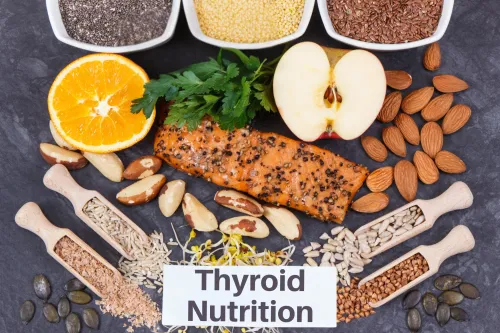
Nourishing Your Thyroid for Better Health
If you’re feeling drained, struggling with weight gain, or always reaching for a sweater, an underactive thyroid could be to blame. Hashimoto’s thyroiditis, an autoimmune disease where the immune system mistakenly attacks your own body, is often the sneaky culprit behind hypothyroidism. While medication can help, there’s more you can do! Ready to uncover how diet and lifestyle can give your thyroid the boost it needs? Let’s get started!
Calm Inflammation with an Anti-Inflammatory Diet
When you have an autoimmune disease, your immune system becomes overactive, causing widespread inflammation. The good news? You can help calm this inflammation through your food choices. About 70-80% of your immune system resides in your gut (1), meaning what you eat makes a significant difference.
A 2023 study showed that following the Mediterranean diet for just 12 weeks led to higher thyroid hormone levels and reduced body weight, BMI, and waist measurements (2)—a win-win for your thyroid and overall health!
Three Key Steps to an Anti-Inflammatory Diet:
-
Emphasize Plant-Based Foods
Fill your plate with fruits, vegetables, and nuts. These nutrient-rich foods not only lower inflammation but may also reduce the risk of developing thyroid antibodies (2). The fiber content is especially important for managing constipation, a common Hashimoto’s symptom. -
Choose Healthy Fats
Include monounsaturated fats like olive oil and omega-3 fats from fatty fish, walnuts, and flaxseeds. These fats are powerful inflammation fighters that support overall thyroid health. -
Limit Red Meat and Processed Foods
Cut back on sugary, salty, and fatty processed foods. Diets high in these can disrupt your gut microbiome, potentially increasing Hashimoto’s risk (3).
Essential Nutrients for Thyroid Support
Certain micronutrients can significantly improve thyroid function. Here are the key players:
Iodine (150 µg/day)
- Essential for thyroid hormone production
- Food sources: Cod (99 µg per 3 oz), nori seaweed (16-43 µg per sheet), iodized salt (71 µg per ¼ tsp)
- Important: Too much iodine can weaken thyroid function (4)
Selenium (200 mcg/day)
- Converts inactive T4 to active T3 hormone
- Powerful antioxidant that protects thyroid from damage
- Food sources: Brazil nuts (2-3 nuts provide over 200 µg)
Iron (get tested before supplementing)
- Higher deficiency risk in Hashimoto’s patients
- Essential for thyroid peroxidase enzyme function
- Food sources: Organ meat, lentils, spinach
Zinc (up to 15-25 mg/day)
- Involved in thyroid hormone production
- Deficiency linked to hair loss
- Food sources: Oysters (33 mg per 6 oysters), beef (7 mg per 3 oz), pumpkin seeds (2.2 mg per oz)
Magnesium (200-400 mg/day)
- Reduces inflammatory molecules and thyroid antibodies
- Food sources: Pumpkin seeds (156 mg per oz), cooked quinoa (118 mg per cup), cooked spinach (157 mg per cup)
Vitamin D (get tested before supplementing)
- Hashimoto’s patients often have half the vitamin D levels of healthy people
- Food sources: Fatty fish, egg yolks, sunlight exposure
Gluten and Dairy: To Avoid or Not?
The Gluten Question
Gluten can confuse the immune system because it resembles thyroid proteins, potentially intensifying the autoimmune attack. However, research shows that simply going gluten-free may not be enough—a gluten-free Mediterranean diet showed the most significant improvements in thyroid hormone levels (2).
Important consideration: Up to 15% of people with Hashimoto’s also have celiac disease (7). If diagnosed with celiac disease, a strict gluten-free diet is essential to avoid serious complications including malnutrition, infertility, and cancer (8).
The Dairy Decision
A 2014 study found that nearly 80% of people with Hashimoto’s also have lactose intolerance (9). This matters because lactose intolerance can make thyroid medication less effective. If you’re taking levothyroxine or have high TSH levels, consider discussing lactose tolerance testing with your doctor.
Protecting Your Thyroid from Environmental Toxins
Environmental factors can increase Hashimoto’s risk by 20% (10). These substances interfere with hormone production and function. Key thyroid disruptors include:
| Environmental Toxin | Common Sources |
|---|---|
| PCBs | Old electrical equipment, building materials in older buildings |
| BPA | Plastic bottles, thermal paper receipts, canned food linings |
| Phthalates | Perfume, hair spray, nail polish, vinyl shower curtains |
| Brominated flame retardants | Building insulation, electronics |
| PFAs | Non-stick cookware, water-repellent clothing, fast food wrappers |
These chemicals can increase TSH levels and thyroid antibodies, making environmental protection an important aspect of thyroid health management (11, 12).
Personalized Approach to Thyroid Health
When it comes to treating Hashimoto’s disease, there’s no one-size-fits-all solution. Each person may have different micronutrient deficiencies and thyroid hormone levels, making personalized treatment plans essential.
Before making significant dietary changes, consult with a registered dietitian or healthcare professional. For example, taking too much iodine can actually worsen Hashimoto’s, making proper testing and guidance crucial.
Remember: NO PILL WITHOUT A SKILL—the most effective approach combines targeted nutrition with lifestyle changes and appropriate medical treatment when needed.
References
- Wiertsema SP, et al. The Interplay between the Gut Microbiome and the Immune System. Nutrients. 2021.
- Ülker MT, et al. Evaluation of gluten-free and Mediterranean diets in Hashimoto’s thyroiditis. Food Sci Nutr. 2024.
- Zheng G, et al. Dietary selenium intake and Hashimoto’s thyroiditis. J Endocrinol Invest. 2023.
- Ihnatowicz P, et al. Nutritional factors and dietary management of Hashimoto’s thyroiditis. Ann Agric Environ Med. 2020.
- Pobłocki J, et al. Gluten-free diet in chronic autoimmune thyroiditis. J Clin Med. 2021.
- Ashok T, et al. Celiac Disease and Autoimmune Thyroid Disease. Cureus. 2022.
- Asik M, et al. TSH levels after lactose restriction in Hashimoto’s patients. Endocrine. 2014.
- Ferrari SM, et al. Environmental issues in thyroid diseases. Front Endocrinol. 2017.
- Brent GA. Environmental exposures and autoimmune thyroid disease. Thyroid. 2010.
- Coperchini F, et al. Thyroid disrupting effects of PFAS. Front Endocrinol. 2021.