Wed Mar 26 / Summer Xia, MS, RD
Natural Remedies for Hypothyroidism
Discover how ashwaganda, black cumin seeds, peppermint, and guggul can support thyroid health. Learn proper dosages, precautions, and evidence-based benefits.
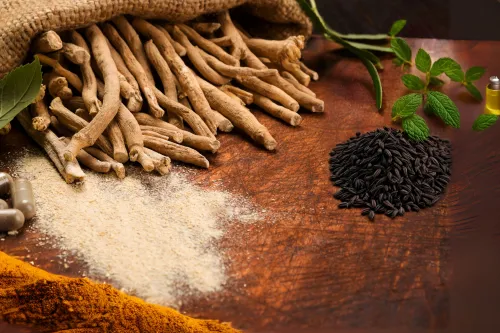
Natural Support for Your Thyroid Journey
Tired of battling weight gain, constant fatigue, cold hands and feet, and other frustrating symptoms of hypothyroidism? You might be surprised to learn that certain herbs can actually support your thyroid function! In this blog, you’ll discover four powerful herbs for thyroid health: ashwaganda, black cumin seeds, peppermint, and guggul. Keep reading to learn how these natural remedies could transform your thyroid health.
ashwaganda: The Stress-Relief Hero
Also called Indian ginseng, ashwaganda (Withania somnifera) is famous for reducing stress and boosting resilience. But did you know it may also support your thyroid health?

A 2017 study found that taking 300 mg of ashwaganda root extract twice daily (600 mg total per day) could benefit people with subclinical hypothyroidism (1), which represents the early stages of a sluggish thyroid. This condition occurs when thyroid-stimulating hormone (TSH) levels are high, but thyroxine (T4) levels remain normal.
Over just eight weeks, researchers noticed remarkable changes: T4 levels increased by 20% and TSH levels dropped closer to normal by 17% (1), effectively normalizing the thyroid hormone profile.
But the benefits don’t stop there! ashwaganda can also help with (2):
- Reduced food cravings
- Lower stress and cortisol levels
- Improvements in body weight and Body Mass Index (BMI)
ashwaganda belongs to a group of herbs known as adaptogens, which help your body “adapt” better to stress and become more resilient. Think of it as a buffer that makes stressful situations feel less overwhelming. Many people notice that things that used to trigger them—like work deadlines or parenting challenges—no longer affect them as intensely.
Dosage:
- Capsule/powder: 300-500 mg twice daily, standardized to at least 3.5-5% withanoloids
- Tincture: 2-4 ml (40-80 drops), three times daily
Precautions:
- Considered safe with no known toxicity at normal dosages
- Avoid if you have current respiratory infection or excessive congestion
- Avoid if sensitive to plants in the nightshade family (3)
- Avoid if you have hyperthyroidism (overactive thyroid) (3)
Black Cumin Seeds: Tiny but Mighty
Black cumin seeds (Nigella sativa), often called black seeds, have been used for thousands of years as both a cooking spice and natural remedy. Recent studies show these tiny seeds can work big wonders for hypothyroidism!

In one study, participants took 2 grams of black cumin seed powder daily for eight weeks. The results were impressive (4):
- Lower body weight and BMI
- Improved cholesterol levels: LDL decreased while HDL increased
- Better thyroid health: TSH levels dropped closer to normal, anti-TPO antibodies decreased, and triiodothyronine (T3) hormone levels improved
Dosage:
- Capsule/powder: 2000 mg/day
- Can be added to granola, oatmeal, or smoothies
Precautions:
- Avoid supplemental forms during pregnancy (culinary amounts are safe)
- Avoid if you have blood clotting disorders (5)
Peppermint: The Energy Booster
Peppermint (Mentha x piperita) is more than just a refreshing tea ingredient! Research shows that inhaling peppermint essential oil blend for 15 minutes daily can improve fatigue symptoms in as little as 14 days (6).
If you’ve been struggling with low energy—a common symptom of hypothyroidism—peppermint might be just what you need to feel more energized and improve your quality of life.

How to Use Peppermint Essential Oil (6):
- Place 3 drops of peppermint essential oil blend onto an inhaler stick
- Inhale for 15 minutes daily
- Move away from the inhaler if burning sensation occurs
- Drink plain water during inhalation, but avoid other food or drink
Precautions (7):
- Generally safe for most people
- If pregnant or breastfeeding, avoid skin contact with essential oil
- May cause heartburn in sensitive individuals
- In excess, can reduce breast milk production
Guggul: Medicine from the Resin
Commonly known as Indian Mryrrh (Commiphora wightii), guggul comes from the resin of the guggul tree. It’s famous in Ayurvedic medicine for managing high cholesterol, obesity, and liver dysfunction. But here’s the exciting part: guggul might also give your thyroid a boost!

One clinical study found that guggul improved (9):
- T3 levels by 24%
- T4 levels by 27%
- TSH levels by 46%
- Cholesterol levels by 10%
Dosage:
- Capsule: 600-1200 mg daily with food

Precautions:
- Doses greater than 2-4 grams can cause kidney problems and heart rate changes (10)
Additional Natural Support Options
Turmeric: The Anti-Inflammatory Powerhouse
Turmeric isn’t just a staple spice in Indian cuisine—it’s also packed with health benefits. Its vibrant yellow hue comes from curcumin, the active compound responsible for its anti-inflammatory and antioxidant properties.

Curcumin has been studied for its positive effects on bone health, metabolic diseases, diabetes, and even depression (11). It even demonstrates ability to combat autoimmune diseases such as Hashimoto’s by reducing inflammation in the body (12).
Dosage:
- Capsule/powder: 1-10 g/day of whole turmeric powder, or 300-4000 mg of curcumin extract

Precautions:
- Avoid if taking blood thinners or have known blood clotting disorders
Acupuncture: Ancient Practice, Modern Benefits
While not an herb, acupuncture can be a powerful ally for thyroid health. Research has shown that compared to taking T4 medication alone, acupuncture significantly lowered thyroid antibody levels and more effectively normalized thyroid hormones, including free T3, free T4, and TSH (13).
Important Safety Considerations
Always consult with a healthcare provider before starting any new supplement regimen, especially if you’re taking thyroid medication or other prescriptions. These supplements should only be taken under the guidance of a registered dietitian or healthcare provider for your safety.
When buying supplements, quality matters! Many supplements on the market are questionable, with some even being adulterated. We recommend purchasing from trusted sources that undergo frequent quality testing and batch verification.
The Foundation First: No Pill Without a Skill
Hypothyroidism can feel like an uphill battle, but incorporating natural remedies into your routine might provide the boost your thyroid needs. However, addressing your diet and lifestyle simultaneously is essential. Remember: NO PILL WITHOUT A SKILL! Herbal medicine cannot compensate for an unhealthy lifestyle—it serves only to enhance a solid, healthy foundation.
Your journey to better thyroid health is unique. Once you’ve improved your diet and lifestyle, consider exploring natural herbs to complement your healing process and take the next step toward wellness.
Looking for more personalized support? Discover our nutrition counseling services and start your thyroid health journey today!
References
- Sharma AK, Basu I, Singh S. Efficacy and Safety of ashwaganda Root Extract in Subclinical Hypothyroid Patients: A Double-Blind, Randomized Placebo-Controlled Trial. J Altern Complement Med. 2018;24(3):243-248.
- Choudhary D, Bhattacharyya S, Joshi K. Body Weight Management in Adults Under Chronic Stress Through Treatment With ashwaganda Root Extract. J Evid Based Complementary Altern Med. 2017;22(1):96-106.
- Farhangi MA, Dehghan P, Tajmiri S. Powdered black cumin seeds strongly improves serum lipids, atherogenic index of plasma and modulates anthropometric features in patients with Hashimoto’s thyroiditis. Lipids Health Dis. 2018;17(1):59.
- Hawkins J, Hires CY, Dunne EW, Keenan LA. Aromatherapy reduces fatigue among women with hypothyroidism. J Complement Integr Med. 2019;17(1).
- Suvarna HP, Acharya S, Nagappa AN. Clinical Evaluation of Shuddha guggulu In hypothyroidism Patients. Value Health. 2015;18(3):A56.
- Wang X, Li Y, Xie H, et al. Effect of acupuncture on Hashimoto thyroiditis: A systematic review and meta-analysis. Medicine (Baltimore). 2024;103(9):e37326.