Sun Aug 04 / Adeline Peat, RD Intern & Dr. Abrar Al-Shaer, PhD, RD
Do I Have Endo? Endometriosis Symptoms and Diagnosis
Learn about endometriosis symptoms, diagnosis delays, and how to advocate for your health. Understand the difference between normal period pain and potential endo signs.
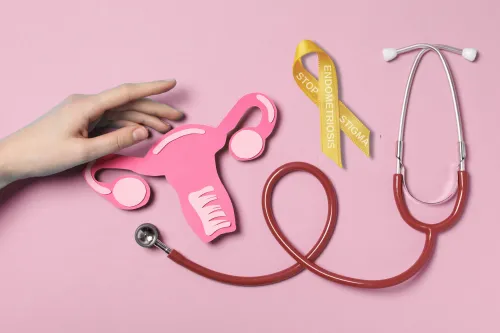
Endometriosis: A Common Yet Misunderstood Condition
Endometriosis is one of the most prevalent health conditions affecting women, impacting up to 10% of women globally. Despite its prevalence, it remains tragically misunderstood, with women in the US suffering for an average of 10 years before receiving a proper diagnosis (1).
Why such a massive diagnosis delay? To understand this issue and push for solutions, we first need to understand what endometriosis actually is.
What is Endometriosis?
Your uterus is lined with a special tissue called endometrium that has a unique quality—it grows and sheds every month in response to hormonal changes. Estrogen and progesterone drive this cycle, building up the uterine lining to support a potential pregnancy, then shedding it during menstruation if pregnancy doesn’t occur.
Endometriosis occurs when this endometrial-like tissue grows outside of the uterus where it doesn’t belong. This misplaced tissue still responds to hormonal signals, meaning it still bleeds and sheds every month—but this bleeding happens internally, leading to inflammation, internal scarring, organ damage, and a wide spectrum of health complications including fertility issues.

Endometriosis affects approximately 1 in 10 women globally, most commonly between 20-35 years of age (2). While the exact cause remains unknown and there’s no current cure, there are effective ways to manage symptoms and slow disease progression.
Endometriosis Symptoms: What Does Endo Pain Feel Like?
Endometriosis has several distinguishing symptoms, but these signs often overlap with other conditions, contributing to frequent misdiagnosis and delayed diagnosis.
The most common symptom is intense pain that can occur in the abdomen, back, pelvis, and even distant sites like the shoulder blades. Women often experience pain with intercourse, bowel movements, and urination.
Key difference from normal period pain: Normal period cramps typically begin just before your period (no more than 24 hours before) and continue for no more than 3 days. Endometriosis pain often extends beyond this “normal pain window.” If you find yourself in pain more days each month than not, it’s time to check in with your healthcare provider.
Other symptoms may include:
- Heavy menstrual bleeding
- Gastrointestinal issues (constipation, gas, bloating)
- Fatigue and lethargy
- Depression and anxiety
- Insomnia
- Unexplained infertility
The symptom overlap with Irritable Bowel Syndrome (IBS) often leads to misdiagnosis. However, IBS is a chronic gastrointestinal disorder while endometriosis is a chronic inflammatory gynecological condition.
Some women experience “silent endometriosis” where they have no noticeable symptoms but discover the condition during fertility investigations.
How is Endometriosis Diagnosed?
Laparoscopy is the gold standard for diagnosing endometriosis. This minor surgical procedure allows doctors to directly visualize endometrial tissue growing outside the uterus and take tissue samples for confirmation.
While laparoscopy is the only definitive diagnostic method, other tests can provide important clues:
- Physical exams may reveal irregular growths, tenderness, or painful spots in the pelvic area
- Ultrasound uses sound waves to create pictures of internal structures
- MRI produces detailed images using magnetic fields and radio waves
These non-invasive tests cannot definitively confirm endometriosis—they may come back clear even when endometriosis is present—but they can help guide the diagnostic process.
Endometriosis as a Chronic Pain Condition: Confronting the Stigma
Endometriosis is a serious, often extremely painful condition that significantly impacts physical, mental, and social well-being (4). Many women with the condition face disbelief and invalidation from doctors, family, friends, and employers, leading to relationship strain and feelings of isolation.
The frustration of towering medical bills combined with the invalidation of suffering creates a heavy burden. This is why self-advocacy becomes crucial.
Finding the Right Healthcare Provider
If you feel you’re not being taken seriously by your healthcare provider, don’t hesitate to seek a second opinion. Think of it like car shopping—you’d visit multiple dealerships, research different models, and test drive several cars to find the best fit. Your health deserves at least the same level of careful consideration.

Many talented physicians may not be fully aware of how lifestyle factors like diet, stress, and sleep significantly influence endometriosis symptoms. Finding a healthcare team that understands these connections can make a substantial difference in your management strategy.
If you’ve felt ignored in your journey with endometriosis, know that you’re not alone. By confronting the root causes of symptoms and providing highly specific care, we help our patients properly advocate for correct diagnosis and effective treatment.
Let’s bring an end to endo stigma together!
Now that you understand what endometriosis involves, the next step is exploring treatment options. Visit our endometriosis page to learn how we help patients suffering with endometriosis regain control of their health and lives.
References
- Frankel LR. A 10-Year Journey to Diagnosis With Endometriosis: An Autobiographical Case Report. Cureus. 2022.
- Rolla E. Endometriosis: advances and controversies in classification, pathogenesis, diagnosis, and treatment. F1000Res. 2019.
- Normal Menstrual Cramps or Endometriosis: How to Tell the Difference. OB-GYN Associates of Marietta.
- Sims, O. T., Gupta, J., Missmer, S. A., & Aninye, I. O. Stigma and Endometriosis: A Brief Overview and Recommendations to Improve Psychosocial Well-Being and Diagnostic Delay. International Journal of Environmental Research and Public Health. 2021.