Thu Nov 07 / Adeline Peat, RD Intern & Dr. Abrar Al-Shaer, PhD, RD
Endometriosis Medication: How Does Birth Control Help?
Discover how birth control can manage endometriosis symptoms by regulating hormones, reducing tissue growth, and alleviating pain. Learn about different options and their benefits.
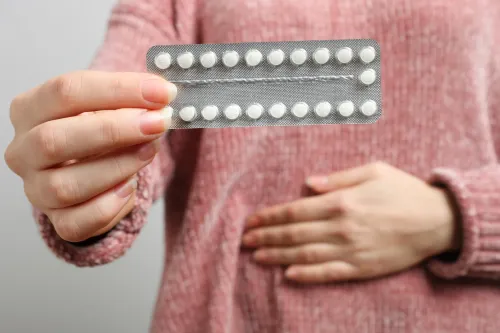
Beyond Pregnancy Prevention: Birth Control for Endometriosis
Birth control = no pregnancy… Duh! Everyone knows that! But have you ever wondered if that’s all it does? While birth control is most known for preventing pregnancy, it’s actually one of the most effective medical treatments for endometriosis.
You might be thinking: “But I thought birth control was bad for you?!” We understand the concern—birth control is often overprescribed and misused. However, there are specific circumstances where the benefits may outweigh the risks. Every condition and every woman has different needs, and endometriosis is a prime example where birth control can be beneficial.
While birth control cannot cure endometriosis, it can reduce the growth of endometrial tissue and alleviate pain (1). This is particularly important because uncontrolled endometriosis comes with many risk factors.
Understanding Endometriosis and Hormones
A woman’s uterus is lined with endometrial tissue—a special type of tissue that grows and breaks down every month. This tissue responds to hormones like estrogen and progesterone.

Estrogen plays two key roles:
With endometriosis, this tissue grows outside the uterus but still responds to estrogen. The problem? Estrogen builds tissue where an egg would never go—like constructing a house in the wrong location. When the body sheds this tissue during menstruation, the tissue outside the uterus has nowhere to exit, causing inflammation, internal scarring, organ damage, infertility, and severe pain.
How Birth Control Regulates Endometriosis
Birth control is a hormonal medication that changes estrogen and progesterone levels. Normally, these hormones fluctuate dramatically throughout your cycle:
- Estrogen peaks before ovulation, signaling tissue growth
- Progesterone rises after ovulation, stabilizing tissue
Birth control creates constant hormone levels, providing several benefits:
- Lower, stable estrogen reduces endometrial tissue growth
- Consistent progesterone acts as a “construction truck” blocking estrogen’s tissue-building signals
- Anti-inflammatory effects from progesterone further reduce symptoms
These changes result in shorter, lighter, and less painful periods (2).

Choosing the Right Birth Control for Endometriosis
There are several birth control options, each with pros and cons. Symptoms can vary significantly between individuals, so work with your healthcare provider to find the best fit.
1. Combined Hormonal Medication
Contains both estrogen and progestin (synthetic progesterone):
- Combined birth control pills
- Vaginal ring
- Patch
These options suppress periods and help stop endometriosis progression.
2. Progestin-Only Hormonal Medication
Contains only progestin—ideal for women who want to avoid estrogen:
- Progestin-only pills (may be less effective than combined options for some women)
- Hormonal IUDs (Mirena®, Liletta®, Kyleena®, Skyla®)
Many women find significant relief with IUDs since progesterone is delivered directly to the uterus (3).
3. Other Options
Gonadotrophin-releasing hormone agonists and Danazol can block hormones completely but come with significant side effects and aren’t safe long-term. We don’t recommend these as first choices (4).
The Power of Combination: Medication + Lifestyle
While adjusting diet and lifestyle can feel less intimidating than medication, the combination often yields the best results. Functional and integrative medicine takes a root-cause approach, considering all aspects of your lifestyle that impact your body.
Birth control combined with nutrition, stress management, herbal medicine, and other lifestyle changes can truly transform your life with endometriosis.
We’re excited to help guide you through endometriosis treatment and answer the countless questions we know you have! If you’re ready to take control of your endometriosis, explore our services to begin your journey toward better health.
References
- Nirgianakis K, et al. Effectiveness of Dietary Interventions in the Treatment of Endometriosis. Reprod Sci. 2022.
- Williams RS. Benefits and risks of oral contraceptive use. Postgrad Med. 1992.
- Morotti M, et al. Progestogen-only contraceptive pill compared with combined oral contraceptive in pain symptoms caused by endometriosis. Eur J Obstet Gynecol Reprod Biol. 2014.
- Magon N. Gonadotropin releasing hormone agonists: Expanding vistas. Indian J Endocrinol Metab. 2011.