Tue Jan 09 / Dr. Abrar Al-Shaer, PhD, RD
The 6 Root Causes Behind Your Endometriosis Symptoms: What You Need to Know
Discover the six key factors that contribute to endometriosis symptoms and learn practical strategies to manage inflammation, balance hormones, and improve your quality of life.
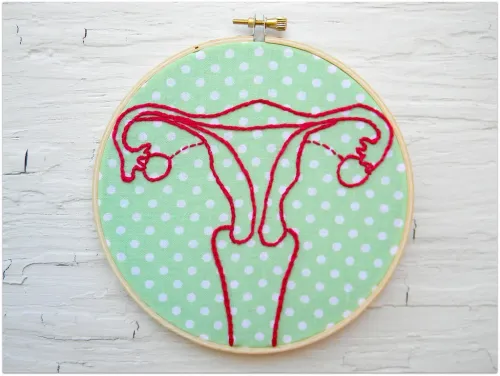
Understanding Endometriosis at Its Core
Endometriosis is a painful and challenging condition that affects millions of women worldwide. This chronic condition occurs when endometrial tissue, which should only grow inside the uterus, grows outside of it, causing a range of painful symptoms. While there’s no known cure for endometriosis, understanding its root causes can help you better manage symptoms and improve your quality of life.
These six root causes also apply to adenomyosis and uterine fibroids, as all these conditions share similar underlying factors.
#1: The Impact of Poor Sleep on Endometriosis
Quality sleep is essential for your body’s healing and recovery processes. When you don’t get enough restorative sleep, your body struggles to repair damaged tissues and manage inflammation. Research shows that women with poor sleep quality experience worsened period pain (1,2).

Many sleep strategies emphasize darkness and minimizing exposure to white and blue light from electronics. This is because melatonin—the hormone that regulates sleep—gets significantly disrupted by light that mimics sunlight. White and blue lights signal to your brain that it’s still daytime, lowering melatonin production and making it harder to fall asleep and achieve deep sleep.
Melatonin is crucial not just for sleep but also for hormone health. It’s one of the main hormones that helps your body detoxify and reduce inflammation while you sleep. Next time you can’t fall asleep, resist the urge to look at your phone and instead lie in darkness to allow your melatonin levels to rise naturally.
What About Melatonin Supplementation?
Research shows that melatonin supplementation can actually improve endometriosis symptoms (3), likely due to its detoxification and anti-inflammatory benefits. The good news is that melatonin supplementation doesn’t disrupt your body’s natural production. Dosing ranges from 0.1mg to 10mg (with 10mg being quite high and requiring medical supervision). Discuss with your provider what dosage might work best for you.
#2: How Inflammation Worsens Endometriosis Symptoms
Inflammation is your immune system’s response to problems in the body. While it’s a natural defense mechanism, chronic inflammation from foods, environmental chemicals, blood sugar imbalances, poor sleep, and stress can exacerbate endometriosis symptoms. Inflammation increases pain and contributes to scar tissue and adhesion development.
An anti-inflammatory diet rich in fruits, vegetables, whole grains, and healthy fats can significantly reduce endometriosis pain. At the same time, limit highly processed foods and excess sugar, which are pro-inflammatory.
Key Principles of Anti-Inflammatory Eating:
- Balance Blood Sugar First – Eat at consistent times (no skipping meals!) and balance carbohydrates with protein to prevent blood sugar spikes and crashes
- Choose the Right Fats – Omega-3 fats (found in salmon, mackerel, certain eggs) are powerfully anti-inflammatory, while too many omega-6 fats (in processed foods and seed oils) can increase inflammation. I often recommend omega-3 supplements (2000-4000mg/day) for endometriosis patients. Monounsaturated fats from avocados, olive oil, and nuts are also excellent anti-inflammatory choices
- Eat the Rainbow – Different colored fruits and vegetables provide varied plant nutrients and anti-inflammatory compounds
- Use Herbs and Spices – Ginger, turmeric, oregano, garlic, cinnamon and other spices contain powerful anti-inflammatory nutrients
- Understand Soy – Contrary to popular belief, soy can actually help reduce endometriosis symptoms. Choose organic non-GMO soy to avoid pesticides
- Consider Dairy Carefully – Milk naturally contains estrogen, and non-organic dairy may contain additional hormones and chemicals. If you’ve implemented other strategies without success, try a 3-6 month dairy-free trial to assess how you feel
#3: Endocrine Disruptors & Xenoestrogens: Hidden Hormone Disruptors
Endocrine disrupting chemicals (EDCs) and xenoestrogens are chemicals that mimic or interfere with your body’s natural hormones. Xenoestrogens specifically can bind to estrogen receptors and increase your body’s estrogen production. This is problematic for endometriosis because more estrogen can cause increased growth of endometrial tissue, worsen pain and cramping, and increase inflammation.
These chemicals are found in everyday items like plastic containers, personal care products, and cleaning supplies. Reducing exposure can significantly improve hormonal balance and endometriosis symptoms.
#4: Estrogen Balance and Detoxification
High estrogen levels and poor estrogen detoxification contribute to endometriosis progression. Your liver and intestines play crucial roles in processing excess estrogen.
To support healthy estrogen balance:
- Ensure daily bowel movements (excess estrogens exit through stool)
- Eat a nutrient-dense diet rich in vegetables and fiber
- Consider supplements that support liver function and estrogen metabolism, such as B vitamins (as a B complex), magnesium, and calcium
- Use liver-supporting herbs like dandelion root, milk thistle, and curcumin (from turmeric)

Important: Never combine a B complex with a multivitamin, as this can lead to vitamin B overdose. Always consult your healthcare provider before starting new supplements, especially if you’re on medications.
#5: Chronic Stress and HPA Axis Dysregulation
The HPA (hypothalamic-pituitary-adrenal) axis is your body’s central stress response system. Chronic stress keeps this system constantly activated, worsening endometriosis symptoms by increasing inflammation, creating hormone imbalances, and compromising immune function.
Incorporate stress-reduction techniques like exercise, meditation, deep breathing, or yoga into your daily routine. Even a few deep breaths can help reset your HPA axis and lower stress responses. Don’t hesitate to seek support from friends, family, or mental health professionals when needed.
#6: Finding the Right Exercise Balance
While moderate exercise benefits overall health, rigorous exercise can exacerbate endometriosis symptoms by increasing inflammation and affecting hormonal balance. Find the sweet spot between staying active and not overexerting yourself.
Opt for low-impact activities like swimming, walking, biking, or gentle yoga to maintain fitness while minimizing symptom flare-ups.
Taking Control of Your Endometriosis
By addressing these six root causes, you can take meaningful steps toward managing your endometriosis and improving your overall health. Remember to work closely with your healthcare provider to develop a personalized treatment plan tailored to your unique needs.
References
- Shechter A, Boivin DB. Sleep, Hormones, and Circadian Rhythms throughout the Menstrual Cycle in Healthy Women and Women with Premenstrual Dysphoric Disorder. Int J Endocrinol. 2010.
- Woosley JA, Lichstein KL. Dysmenorrhea, the menstrual cycle, and sleep. Behav Med. 2014.
- Schwertner A, et al. Efficacy of melatonin in the treatment of endometriosis: a phase II, randomized, double-blind, placebo-controlled trial. Pain. 2013.
- Differences between Organic and Conventional Cow’s Milk. Mississippi State University Extension Service.