Wed Oct 23 / Adeline Peat, RD Intern & Dr. Abrar Al-Shaer, PhD, RD
Treatment for Endometriosis: Are Pain Meds My Only Option?
Discover natural alternatives to pain medications for endometriosis management. Learn about anti-inflammatory diets, herbal supplements, and integrative approaches for lasting relief.
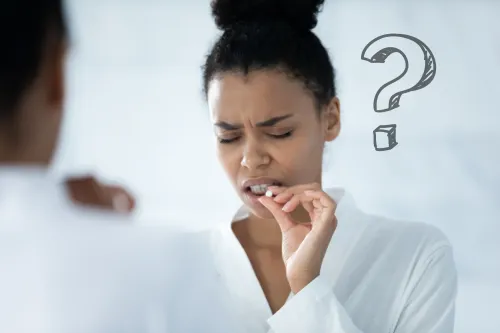
Beyond Pain Medications: Holistic Endometriosis Management
If you or someone you know is living with endometriosis, you’re likely familiar with the most common symptom: pain, often severe. While reaching for pain medications might feel instinctual, this approach isn’t sustainable or always safe for a lifelong condition. So what are the alternatives?
To understand treatment options, we first need to understand what endometriosis actually is.
Understanding Endometriosis
A woman’s uterus is lined with unique tissue called endometrium. Each month, hormones signal this tissue to grow in preparation for potential pregnancy. If pregnancy doesn’t occur, the tissue breaks down and exits the body as your period.
Endometriosis occurs when this same tissue grows outside the uterus. Even in the wrong location, it still responds to hormones, growing and shedding monthly. However, when this tissue breaks down outside the uterus, it has nowhere to exit, causing blood and tissue buildup between organs. This leads to inflammation, organ damage, painful cysts, and other complications.

The most common symptoms are intense pain and infertility. This pain can occur in the abdomen, back, pelvis, and even distant sites like shoulder blades. It often disrupts daily activities, relationships, and overall well-being.
Unfortunately, there’s significant stigma surrounding endometriosis. Many people dismiss the pain as “normal period cramps,” but when tissue grows in the wrong locations, the pain becomes unimaginable for those who haven’t experienced it.
The good news? Pain medications aren’t your only option! There are numerous approaches to take control of your endometriosis.
Conventional Medical Treatments
Conventional medicine focuses on treating symptoms using medications and surgeries:
Pain Medications: NSAIDs like ibuprofen can provide relief but come with side effects including GI issues, ulcers, and with long-term use, liver and kidney toxicity (1).
Surgery: Laparoscopic surgery removes endometrial tissue outside the uterus and can restore organ function (2). However, it’s not a permanent solution—endometrial tissue often grows back, making follow-up care crucial.
Hormonal Medications: Birth control can help manage symptoms by regulating hormone fluctuations.
Natural and Integrative Approaches
Functional and integrative medicine take a holistic, root-cause approach. They investigate your unique lifestyle, diet, emotional well-being, genetics, and environmental factors to understand why you experience symptoms in your particular way.
Combining this holistic approach with conventional medicine often yields the best results. For example, patients frequently experience the most relief by following an anti-inflammatory diet and herbal supplements after laparoscopic surgery to maintain the benefits longer.
The Endometriosis Diet: Food as Medicine
When endometrial tissue sheds outside the uterus, it causes inflammation—like internal bleeding every month. Specific foods help your body “clean up” this mess quickly, while others can add to the inflammation.

Key Dietary Principles:
- Increase omega-3 fatty acids and decrease omega-6 to reduce inflammation
- Incorporate anti-inflammatory herbs and spices
- Stabilize blood sugar with consistent eating times and balanced meals
- Avoid caffeine and alcohol
- Increase dietary fiber to 35-40 grams daily
Powerful Herbal Supplements for Endometriosis
Melatonin
Beyond regulating sleep, melatonin has anti-inflammatory, antioxidant, and pain-relieving properties. Research shows 10 mg/day significantly reduces endometriosis-associated chronic pelvic pain (3).
N-Acetylcysteine (NAC)
NAC increases glutathione production, helping clear estrogen more effectively. Taking 1800 mg/day can ease painful symptoms and improve fertility outcomes (4).
Pycnogenol
This supplement from French maritime pine bark significantly reduces pain and lesions. Take 30 mg twice daily or 60 mg once daily, noting it may take several months to feel differences (5).
Vitamin B6
Essential for estrogen metabolism and detoxification, B6 helps “de-activate” estrogens and environmental toxins. About 50 mg daily supports liver function and estrogen clearance (6).
Omega-3 Supplements
While you can get omega-3s from food, endometriosis creates so much inflammation that supplements (2000-3000 mg/day) are often necessary.
Devil’s Claw
This South African herb significantly decreases low back pain as effectively as anti-inflammatory drugs without gut-related side effects. Take 400 mg 3-4 times daily or 800 mg twice daily (7).
Turmeric
Curcumin in turmeric reduces inflammation through multiple mechanisms. About 1.5 tsp (2000 mg) daily can help manage symptoms (8).
Important Supplement Safety Considerations
Quality matters tremendously when choosing supplements. Many products are adulterated or contain inferior ingredients. We recommend purchasing from verified sources that conduct batch testing.
These dietary changes and supplements should be implemented under the guidance of a registered dietitian or healthcare provider, especially if you’re taking other medications.
Personalized Care for Lasting Relief
Endometriosis is complex and requires customized treatment approaches. We often select from hundreds of herbs and dozens of nutritional strategies because no two women’s endometriosis is identical.
If you’re ready to take the next step in personalizing your endometriosis care, we’re here to help you develop a comprehensive management plan that addresses your unique needs and symptoms.
References
- Brown J, et al. Nonsteroidal anti-inflammatory drugs for pain in women with endometriosis. Cochrane Database Syst Rev. 2017.
- Rimbach S, et al. Surgical Therapy of Endometriosis. Geburtshilfe Frauenheilkd. 2013.
- Sims OT, et al. Stigma and Endometriosis. Int J Environ Res Public Health. 2021.
- Anastasi E, et al. Efficacy of N-Acetylcysteine on Endometriosis. Int J Environ Res Public Health. 2023.
- Kohama T, et al. Effect of French maritime pine bark extract on endometriosis. J Reprod Med. 2007.
- Roshanzadeh G, et al. Dietary micronutrients and endometriosis. Int J Reprod Biomed. 2023.
- Chantre P, et al. Efficacy of Harpagophytum procumbens versus diacerhein in osteoarthritis. Phytomedicine. 2000.
- Kamal DAM, et al. Potential Health Benefits of Curcumin on Female Reproductive Disorders. Nutrients. 2021.